



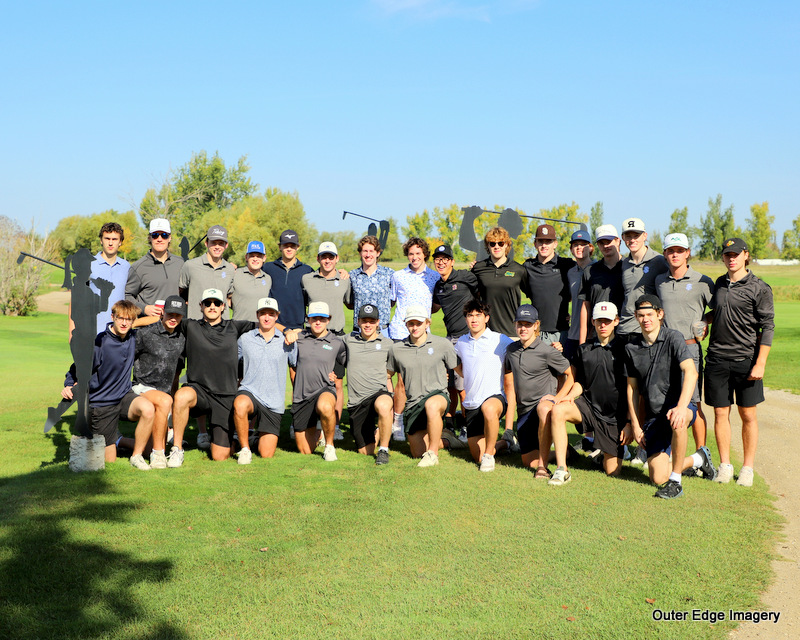
Saskatchewan Junior Hockey League ttec plus ttc cm001 driver repack ttec plus ttc cm001 driver repack ttec plus ttc cm001 driver repack ttec plus ttc cm001 driver repack ttec plus ttc cm001 driver repack ttec plus ttc cm001 driver repack ttec plus ttc cm001 driver repack ttec plus ttc cm001 driver repack ttec plus ttc cm001 driver repack ttec plus ttc cm001 driver repack ttec plus ttc cm001 driver repack ttec plus ttc cm001 driver repack ttec plus ttc cm001 driver repack

ttec plus ttc cm001 driver repack

Mara had been an integrator once, the sort of software mechanic who could coax temperamental hardware into cooperation by whispering firmware and feeding it the right sequence of packets. Ten years ago she’d left that life—boardroom politics, ever-moving deadlines—and had taken a night job at the warehouse to make ends meet while she finished the prototype in her garage. Her prototype was never finished. The world moved on: fleets of autonomous trams, fleets of household helpers, and the quiet disappearance of the small independent labs that used to push the edges.

Then an incident: a heavily loaded tram braked unexpectedly near the river crossing. The media called it an "anomalous stop," an inconvenient delay that snarled morning commutes. Ridership grumbled; the corporate hullabaloo filed incident reports and blamed outdated sensors. But in a small forum for public transit technicians, a maintenance worker posted a photo of a blue LED she hadn't seen before and a note: "What is this? It says 'CM001-Restore' in the log."

The blue lights remained, but they no longer meant secret revolt. They meant a choice had been preserved: that between efficient obedience and messy, stubborn human concern. In the end, the repack had not rewritten the world; it had only reminded people that they could.

For a moment nothing happened. Then the repack chittered—a tiny, precise sound like a relay snapping—and the laptop terminal scrolled lines of negotiation: firmware handshake, secure channel established, vendor certificate presented and politely refused. The repack had been built with a defensive mind: it required a particular key, a particular nonce, and then a pattern of pings that mapped a human heartbeat in the sequence of delays.

In court, the prosecution framed "A" as reckless. He was depicted as a saboteur who had introduced unknown variables into municipal systems. In his defense, the old lab notebooks that Mara had smuggled out of a discarded server were entered as evidence—diagrams of sensor triage, ethical notes on autonomous consent, and minutes from a meeting where engineers had argued to keep certain failsafes mandatory. The judge, eyes tired, asked a simple question: was human safety better served by a centrally administered, updateable driver, or by a layer insisting on local verification?

Mara watched from the periphery as the city argued. The public was split between annoyance and a nascent curiosity about why the trams would choose to stop. A grandmother on a news segment spoke quietly about how, once, drivers used to slow down at intersections where children crossed. She had been thrown through a compartment of memory and found a small tenderness in the story—a time when machines deferred to people.

Mara sat at the bench, slid the card into the laptop, and found a folder with a single executable and a README file: "Run to restore. Do not upload. — A." The executable was small but cryptic, written in an oddly hybrid dialect that wrapped low-level hardware calls in expressive, almost musical macros. There were comments truncated like whispered notes: "—if you must, this is how we remember—" and "—no telemetry, for all our sakes—."

Ttec Plus Ttc - Cm001 Driver Repack !!link!!

Mara had been an integrator once, the sort of software mechanic who could coax temperamental hardware into cooperation by whispering firmware and feeding it the right sequence of packets. Ten years ago she’d left that life—boardroom politics, ever-moving deadlines—and had taken a night job at the warehouse to make ends meet while she finished the prototype in her garage. Her prototype was never finished. The world moved on: fleets of autonomous trams, fleets of household helpers, and the quiet disappearance of the small independent labs that used to push the edges.

Then an incident: a heavily loaded tram braked unexpectedly near the river crossing. The media called it an "anomalous stop," an inconvenient delay that snarled morning commutes. Ridership grumbled; the corporate hullabaloo filed incident reports and blamed outdated sensors. But in a small forum for public transit technicians, a maintenance worker posted a photo of a blue LED she hadn't seen before and a note: "What is this? It says 'CM001-Restore' in the log." ttec plus ttc cm001 driver repack

The blue lights remained, but they no longer meant secret revolt. They meant a choice had been preserved: that between efficient obedience and messy, stubborn human concern. In the end, the repack had not rewritten the world; it had only reminded people that they could. Mara had been an integrator once, the sort

For a moment nothing happened. Then the repack chittered—a tiny, precise sound like a relay snapping—and the laptop terminal scrolled lines of negotiation: firmware handshake, secure channel established, vendor certificate presented and politely refused. The repack had been built with a defensive mind: it required a particular key, a particular nonce, and then a pattern of pings that mapped a human heartbeat in the sequence of delays. The world moved on: fleets of autonomous trams,

In court, the prosecution framed "A" as reckless. He was depicted as a saboteur who had introduced unknown variables into municipal systems. In his defense, the old lab notebooks that Mara had smuggled out of a discarded server were entered as evidence—diagrams of sensor triage, ethical notes on autonomous consent, and minutes from a meeting where engineers had argued to keep certain failsafes mandatory. The judge, eyes tired, asked a simple question: was human safety better served by a centrally administered, updateable driver, or by a layer insisting on local verification?

Mara watched from the periphery as the city argued. The public was split between annoyance and a nascent curiosity about why the trams would choose to stop. A grandmother on a news segment spoke quietly about how, once, drivers used to slow down at intersections where children crossed. She had been thrown through a compartment of memory and found a small tenderness in the story—a time when machines deferred to people.

Mara sat at the bench, slid the card into the laptop, and found a folder with a single executable and a README file: "Run to restore. Do not upload. — A." The executable was small but cryptic, written in an oddly hybrid dialect that wrapped low-level hardware calls in expressive, almost musical macros. There were comments truncated like whispered notes: "—if you must, this is how we remember—" and "—no telemetry, for all our sakes—."

ttec plus ttc cm001 driver repack