



Try it for free and see how you can learn how to distinguish

With every purchase in
Try it for free and see how you can learn how to distinguish
With every purchase in
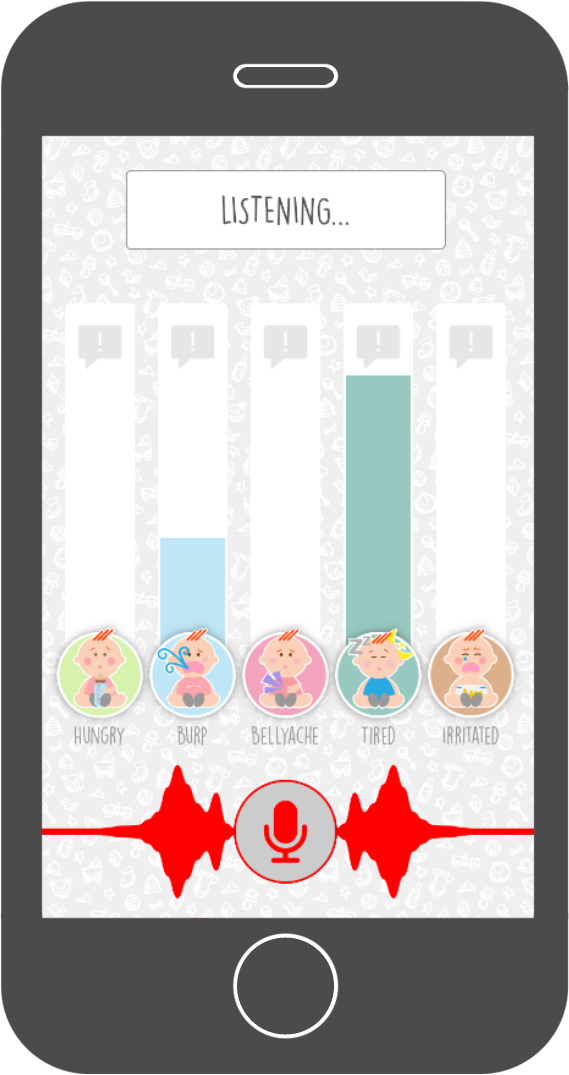
The Baby Language app teaches you the ability to distinguish different types of baby cries yourself. It comes with a support tool to help you in the first period when learning to distinguish baby cries. It points you in the right direction by real-time distinguishing baby cries and translating them into understandable language.
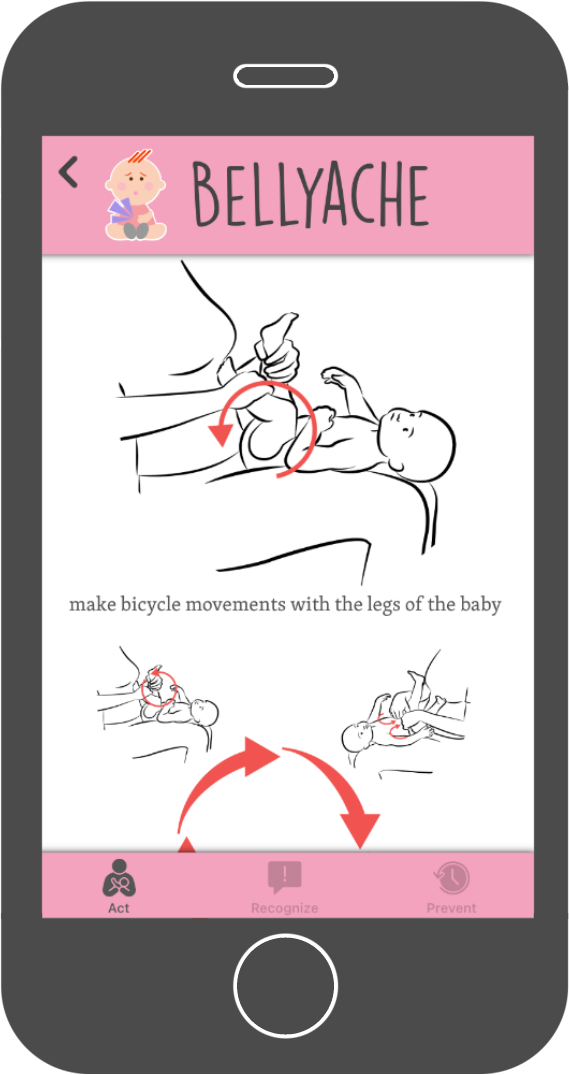 The Baby Language app shows you many different ways on how to handle each specific cry. It provides you with lots of information and illustrations on how to prevent or reduce all different kind of cries.
That night the willow hummed louder. Lina could hear syllables now—not words a child should understand, but the shape of language. She thought of being small in the world, feet too flat for the lines of the earth, and of the way the river kept moving even when everything else stood still. She went to the willow, barefoot and stoic, and the woman was there, sitting with her back against the trunk as if they had been keeping each other company forever.
“How much more?” Lina whispered. She felt lighter and stronger, but also hollow in places she had not noticed. There was less room for the small, particular things she loved—the ragged picture of her father, the lopsided mole on the baker’s cheek. Her mother’s voice in the evenings became a memory softened at the edges.
“Because beginnings are not additions,” the woman said. “They are exchanges. The world has room for much, but not everything at once.”
Lina pressed the chrysalis to her heart and slept beneath the willow. In the night the branch’s humming braided with some older thing inside her; she dreamed of crawling and of warm sun and of the river’s patient attention. When she woke, her hands were callused, her hair unruly—nothing at first seemed different. But the village took notice. Seeds stuck to her skirts like promises. When she spoke, adults tilted their heads. Children drew closer, smelling change like wind.
The willow accepted her as if it had been expecting nothing else. Her feet felt cool and odd, as if rooted in a different soil. Pain licked along her spine, then fell away. When the wind touched her face, it found places to gather. She rose, and for a moment she was only light—an architecture of possibility. Then, like any true change, she lost something important: the memory of her father’s laugh and the exact fold of her mother’s thumb. In their place came the knowledge of flight, the music of cities she had never seen, languages that were not words but rhythms.
She went to the willow anyway. The bark was slick with sap. When she pressed her palm against it, the humming was a chorus now—other voices braided through the willow like threads: the miller’s late wife, the child who had drowned and come back as no one; an old dog’s faithful glow. They were all there and all asking something. The tree wanted to unroot what had held it so that something else could take flight.
“You changed,” the woman said. “Now finish.”

Founder and Developer

UI/UX Designer

Dutch translator
and coordinator

Webdesigner metamorphosis manga download exclusive

Spanish translator

French translator

Italian translator That night the willow hummed louder

German translator

Indonesian translator

Portuguese translator She went to the willow, barefoot and stoic,

Russian translator

3D Graphic artist

Arabic translator
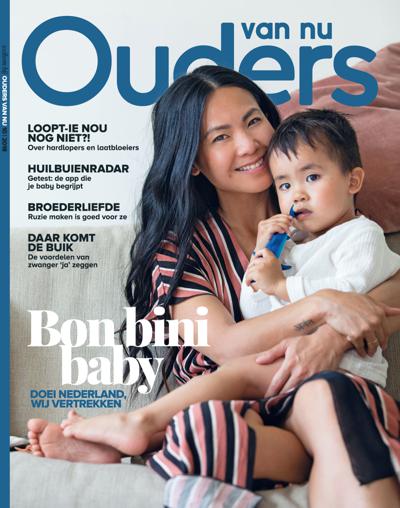
Magazine
Thanks to Baby Language I really got to know my child better. I now know how to find out what is bothering him and more important; How to prevent his inconveniences. He hardly cries
Technology News Website
Baby Language one of the must have
if you are a parent with small
TechWibe
That night the willow hummed louder. Lina could hear syllables now—not words a child should understand, but the shape of language. She thought of being small in the world, feet too flat for the lines of the earth, and of the way the river kept moving even when everything else stood still. She went to the willow, barefoot and stoic, and the woman was there, sitting with her back against the trunk as if they had been keeping each other company forever.
“How much more?” Lina whispered. She felt lighter and stronger, but also hollow in places she had not noticed. There was less room for the small, particular things she loved—the ragged picture of her father, the lopsided mole on the baker’s cheek. Her mother’s voice in the evenings became a memory softened at the edges.
“Because beginnings are not additions,” the woman said. “They are exchanges. The world has room for much, but not everything at once.”
Lina pressed the chrysalis to her heart and slept beneath the willow. In the night the branch’s humming braided with some older thing inside her; she dreamed of crawling and of warm sun and of the river’s patient attention. When she woke, her hands were callused, her hair unruly—nothing at first seemed different. But the village took notice. Seeds stuck to her skirts like promises. When she spoke, adults tilted their heads. Children drew closer, smelling change like wind.
The willow accepted her as if it had been expecting nothing else. Her feet felt cool and odd, as if rooted in a different soil. Pain licked along her spine, then fell away. When the wind touched her face, it found places to gather. She rose, and for a moment she was only light—an architecture of possibility. Then, like any true change, she lost something important: the memory of her father’s laugh and the exact fold of her mother’s thumb. In their place came the knowledge of flight, the music of cities she had never seen, languages that were not words but rhythms.
She went to the willow anyway. The bark was slick with sap. When she pressed her palm against it, the humming was a chorus now—other voices braided through the willow like threads: the miller’s late wife, the child who had drowned and come back as no one; an old dog’s faithful glow. They were all there and all asking something. The tree wanted to unroot what had held it so that something else could take flight.
“You changed,” the woman said. “Now finish.”