- Colour Range
Be inspired by Infinity Collections
All Collections - Large Slabs
- Professionals
- About us
Experience Infinity products firsthand
SHOWROOM - Sustainability
- Resources
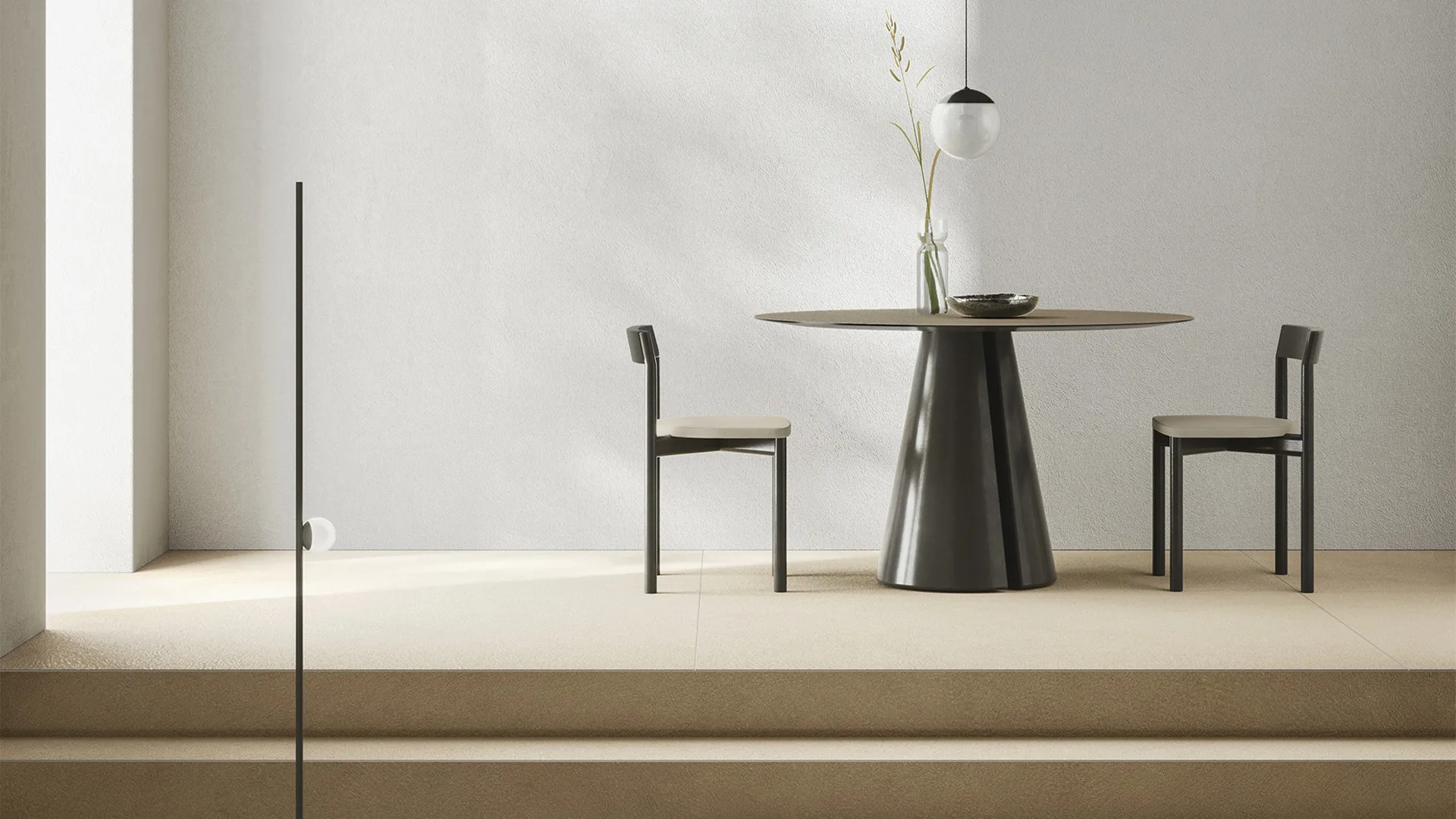
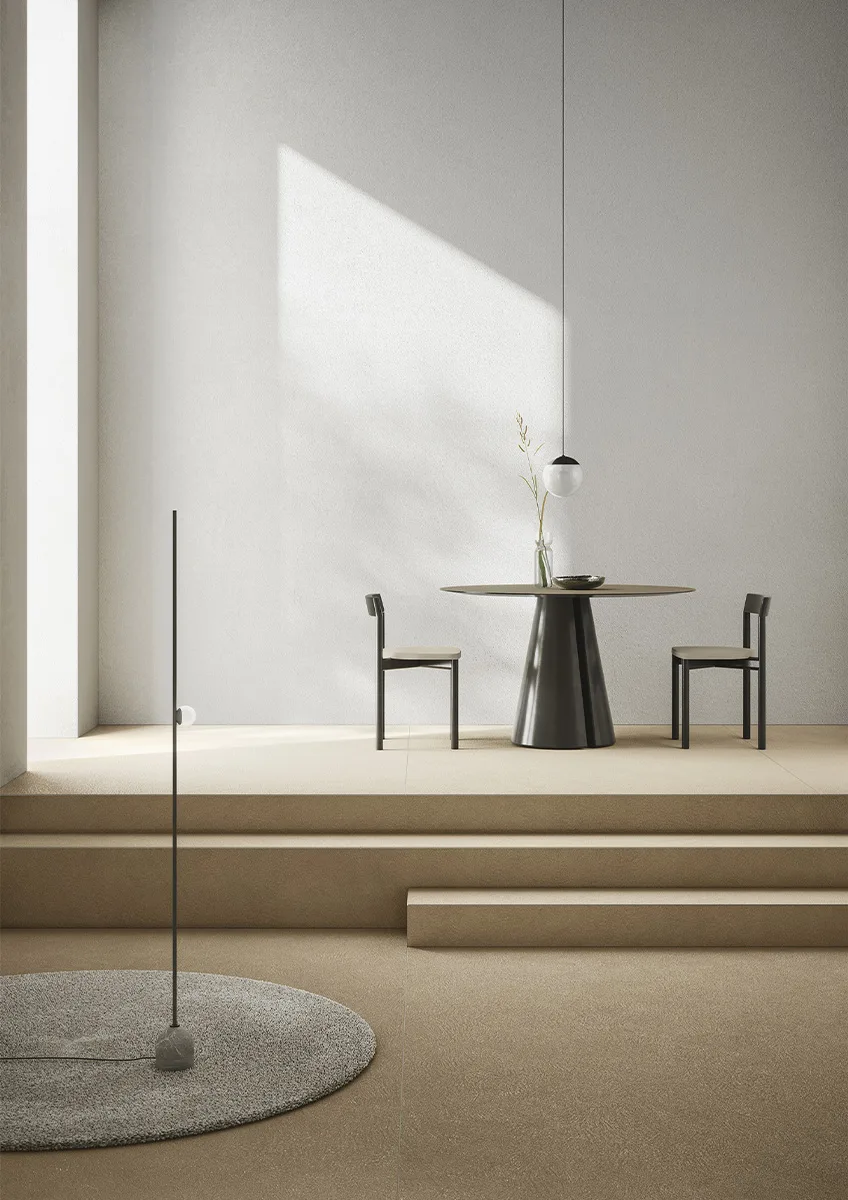
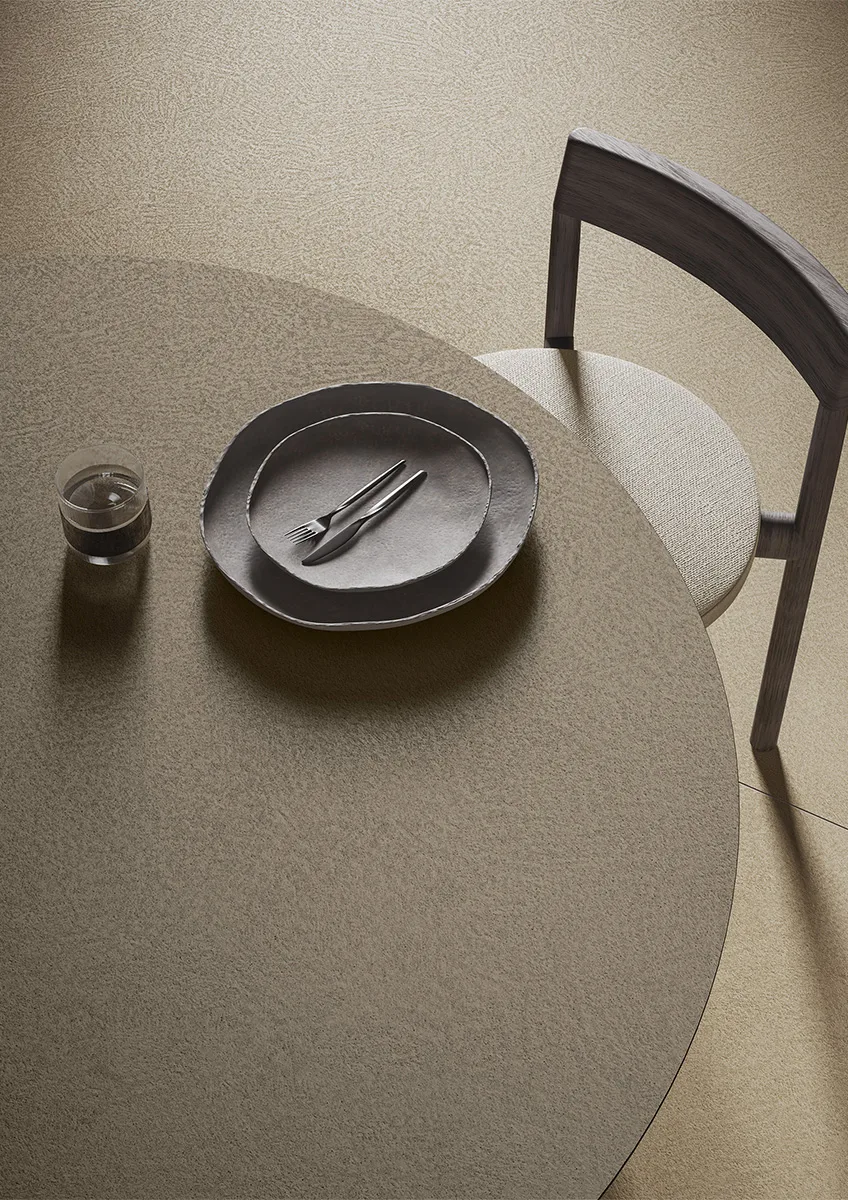
Plaster reinterprets the materiality of hand-worked plaster, transforming it into a design that blends craftsmanship and innovation. lightburnloaderzip
Formats
160x320 cm (63”x127”)
162x324 cm (63¾”x 127½”)

LightBurnLoaderZip is a term that can refer to a zipped loader utility used to install or update LightBurn software components or associated firmware for laser cutters. Because LightBurn is widely used for controlling hobbyist and professional laser engravers, understanding tools named like LightBurnLoaderZip is important for users who need to update firmware, install drivers, or automate deployments. Below is a practical, actionable guide covering what this package likely contains, when and why you’d use it, step-by-step safe usage, troubleshooting, and best practices for maintaining a stable laser setup.
Note: The instructions below assume you’re working with a typical LightBurn-compatible controller (e.g., GRBL, Smoothieware, Ruida, or DSP controllers) and a Windows, macOS, or Linux host machine. Adapt details to your hardware and controller type.
If you want, tell me your controller model and OS (I’ll assume a GRBL-based board and Windows if you don’t say), and I’ll give a tailored step-by-step flashing sequence and exact commands.
LightBurnLoaderZip is a term that can refer to a zipped loader utility used to install or update LightBurn software components or associated firmware for laser cutters. Because LightBurn is widely used for controlling hobbyist and professional laser engravers, understanding tools named like LightBurnLoaderZip is important for users who need to update firmware, install drivers, or automate deployments. Below is a practical, actionable guide covering what this package likely contains, when and why you’d use it, step-by-step safe usage, troubleshooting, and best practices for maintaining a stable laser setup.
Note: The instructions below assume you’re working with a typical LightBurn-compatible controller (e.g., GRBL, Smoothieware, Ruida, or DSP controllers) and a Windows, macOS, or Linux host machine. Adapt details to your hardware and controller type.
If you want, tell me your controller model and OS (I’ll assume a GRBL-based board and Windows if you don’t say), and I’ll give a tailored step-by-step flashing sequence and exact commands.


